

Medication Tapering 101: A Complete Guide to Safely Reducing Psychiatric Drugs
Psychiatric medications play an important role in treating mental health conditions such as depression, anxiety, bipolar disorder, insomnia, and psychosis. For many people, these medications provide stability during extremely difficult periods of life.
However, an important question often goes unanswered.
What happens when it is time to stop?
For many patients, coming off psychiatric medication feels more frightening and more challenging than starting it. This is why understanding medication tapering is essential.
This guide explains what tapering means, why stopping medication suddenly can be harmful, and how psychiatric drugs can be reduced safely under proper medical supervision.
What Is Medication Tapering
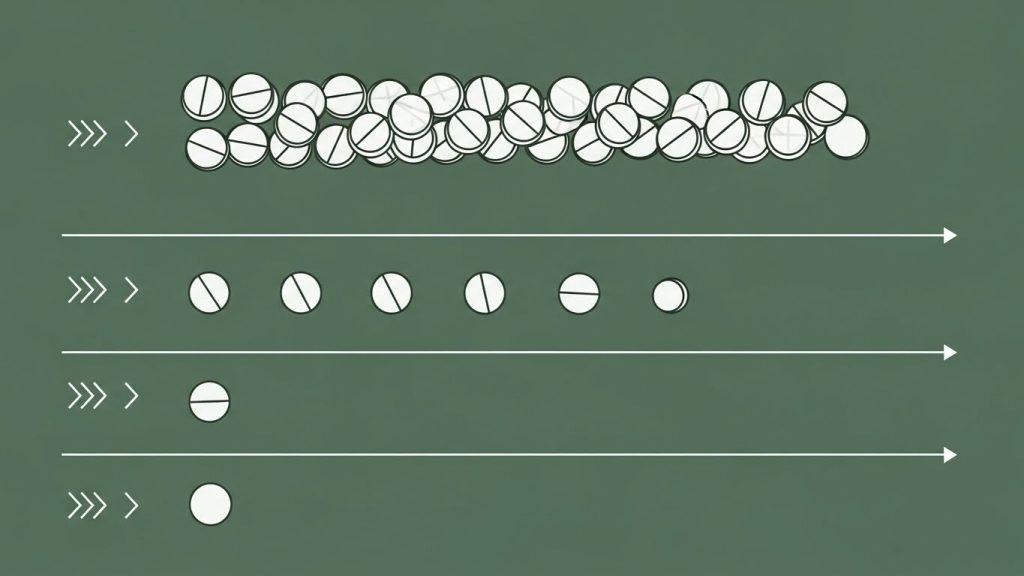
Medication tapering is the process of gradually lowering a drug’s dosage over time instead of stopping it abruptly.
When someone takes psychiatric medication for months or years, the brain adapts to its presence. Neurotransmitters such as serotonin, dopamine, and GABA begin functioning differently because of the medication. The nervous system adjusts its balance around the drug.
If the medication is removed too quickly, the brain struggles to compensate. This can lead to significant physical and emotional distress.
Tapering allows the nervous system to slowly readjust and regain stability. This reduces withdrawal symptoms and lowers the risk of relapse.
A helpful way to understand tapering is to imagine slowing down a moving vehicle. A sudden stop causes damage, while gradual deceleration allows for a safe and controlled stop.
Why Stopping Psychiatric Medication Suddenly Is Dangerous
Stopping medication abruptly can trigger serious withdrawal symptoms. These reactions are not imagined or exaggerated. They are the body’s response to sudden chemical changes in the brain.
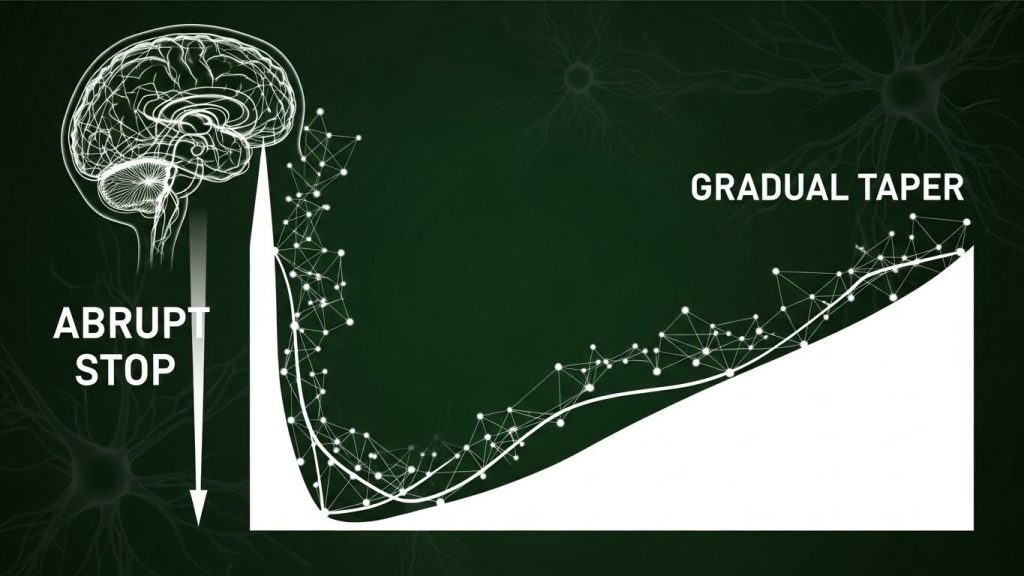
Common symptoms include anxiety, panic attacks, insomnia, restlessness, heart palpitations, dizziness, nausea, emotional numbness, depression, mania, or psychosis. In severe cases, suicidal thoughts can occur.
Certain medications such as benzodiazepines and antipsychotics, can cause especially dangerous withdrawal effects if stopped suddenly. This is why tapering should always be done with medical supervision.
Psychiatric Medications That Require Careful Tapering
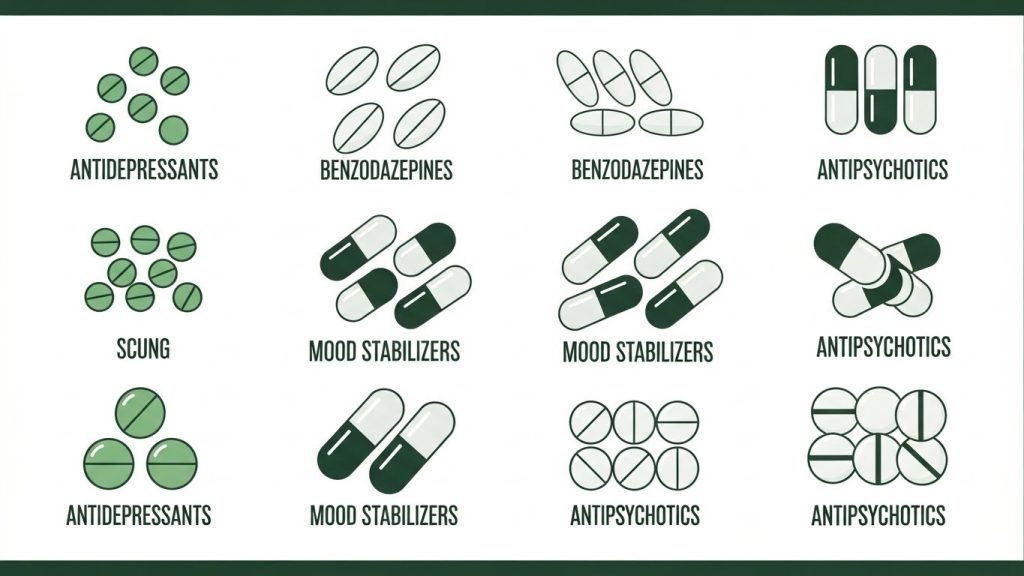
Antidepressants
Antidepressants are commonly prescribed for depression, anxiety, PTSD, OCD, and sleep disorders. These medications affect serotonin and dopamine systems in the brain. Sudden withdrawal can lead to mood instability, anxiety, and sensory disturbances.
Benzodiazepines
Benzodiazepines are used for anxiety and insomnia. They are habit-forming and require very slow tapering. Improper withdrawal can cause severe anxiety, panic attacks, and seizures.
Mood Stabilizers
Mood stabilizers such as lithium, lamotrigine, and valproate are often prescribed for bipolar disorder. These medications require careful dose reduction to prevent relapse into depression or mania.
Antipsychotics
Antipsychotic medications such as risperidone, quetiapine, and olanzapine are used for bipolar disorder, schizophrenia, and severe depression. These drugs must be tapered slowly to avoid withdrawal symptoms and symptom rebound.
What Withdrawal Actually Feels Like
Withdrawal is a physical response of the nervous system. It is
not a personal failure or a lack of willpower.
People may experience anxiety, agitation, restlessness, racing thoughts, sensitivity to light and sound, digestive discomfort, and emotional instability.
These symptoms do not mean the medication is required forever. They indicate that the brain needs time to adapt after long-term chemical support.
Understanding this process helps reduce fear and self-blame during tapering.
How a Safe Tapering Process Works
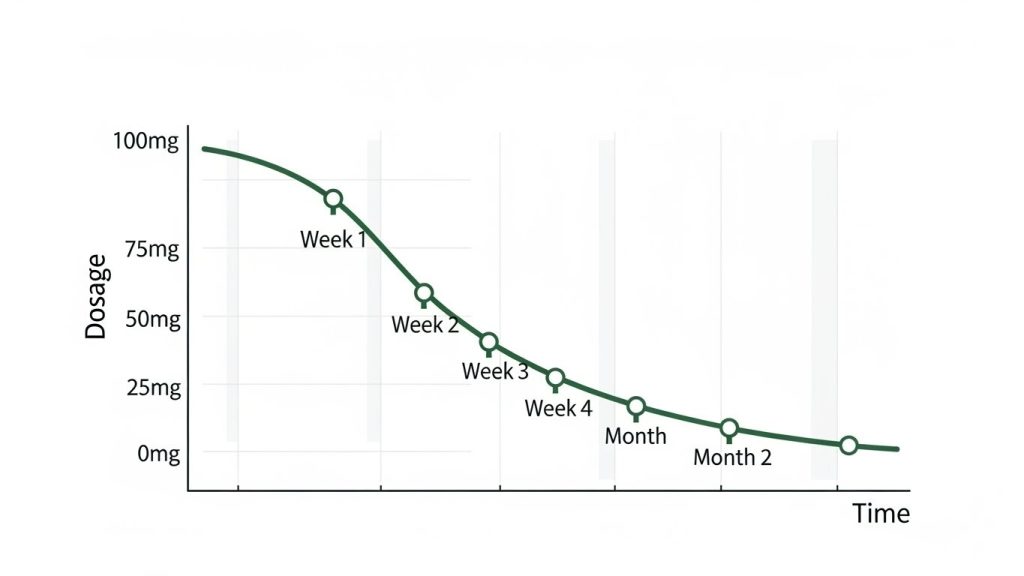
There is no single tapering schedule that works for everyone. Each person’s nervous system responds differently depending on the medication, dosage, duration of use, and overall health.
A safe taper generally involves small dose reductions over weeks or months with careful monitoring.
For example, a person taking 2 mg of risperidone may reduce gradually to 1.5 mg, then to 1 mg, then to 0.5 mg. Later stages may involve alternate day dosing and gradually increasing the gap between doses.
The final reductions are often the most challenging. Some individuals take several months to reduce very small doses because the nervous system becomes more sensitive at lower levels.
If withdrawal symptoms become intense, doctors may pause the taper or temporarily return to a higher dose before continuing.
Tapering is rarely linear. It requires flexibility, patience, and close observation.
Lifestyle Support During Medication Tapering
Medication reduction is most successful when supported by healthy daily habits.
Sleep
Quality sleep is essential for brain recovery. Poor sleep increases emotional instability and relapse risk.
Nutrition
A balanced diet with adequate protein, minerals, and healthy fats supports neurotransmitter repair and nervous system function.
Movement
Gentle physical activity such as walking, stretching, or yoga helps regulate stress hormones and calm the nervous system.
Mindfulness
Practices such as breathing exercises, meditation, and grounding techniques help manage anxiety during tapering.
Community Support
Family support, therapy, and trusted social connections reduce isolation and provide emotional stability during difficult periods.

How Long Does Tapering Take
There is no universal timeline for tapering psychiatric medication.
Some people reduce medication over several months while others require years.
Many doctors prefer to see one to one and a half years of emotional stability before fully discontinuing medication. Rushing the process often leads to relapse or prolonged withdrawal symptoms.
The goal is long term stability, not speed.
Why Medical Supervision Is Essential
Medication tapering should always be guided by a qualified healthcare professional.
Doctors and psychiatrists monitor symptoms, adjust dosages, and intervene if complications arise. Attempting to taper without professional support increases medical and psychological risks.
Final Thoughts
Psychiatric medications help many people survive some of the most difficult periods of their lives. For some, healing eventually includes reducing or stopping medication in a safe and thoughtful way.
Tapering requires patience, self compassion, and guidance. It is not a sign of weakness. It is a careful step toward balance and long term wellbeing.
With the right support, many people successfully taper medication and regain clarity, energy, and emotional connection to life.