
Why Bipolar Disorder Support Groups Can Change Your Recovery and Your Family’s Life
One of the core pillars in my book, The Five Pillars of Bipolar Recovery, is community. Recovery from bipolar disorder doesn’t happen in isolation. It happens when we are seen, supported, and reminded—again and again—that we are not alone.
In this blog, I want to talk honestly about bipolar disorder support groups: what they offer, why they matter, and how they can support not just the individual living with bipolar disorder, but also their family members and loved ones.
For more, you can explore The Five Pillars of Bipolar Recovery, the book and masterclass, or check out my free resources.
How Bipolar Disorder Support Groups Help You Feel Less Alone
From my own experience, support groups for bipolar disorder gave me something I couldn’t find anywhere else: deep understanding without explanation.
My friends and family were incredibly supportive—and I’ll always be grateful for that—but certain experiences are hard to describe unless you’ve lived them. Things like the shame that lingers after a manic episode, or the effort it takes to shower during a depressive phase.
Talking to people who already understood those moments was liberating.
I remember thinking:
“Wow, I’m not the only one who goes through this.”
That realization alone was powerful. It showed me that recovery was possible—not because someone told me so, but because I could see other people managing their lives, one step at a time.
Online and In-Person Bipolar Support Groups: What to Expect
If you’ve never attended a bipolar disorder support group, it’s normal to feel anxious beforehand. I certainly did.
Most groups are simple in structure. A facilitator guides some, while others are open discussions. You’re rarely required to speak. Listening is usually enough at first. In fact, many people attend several meetings before ever sharing.
In online bipolar support groups, there’s often an added sense of safety. You can join from home, turn your camera off, and engage at your own pace. In-person groups, on the other hand, can offer a deeper connection through physical presence and routine.
Neither is better. What matters is what feels sustainable for you.
Online Bipolar Support Groups and Finding the Right Fit
I never had the opportunity to attend an in-person bipolar support group due to COVID lockdowns, but I found a meaningful connection through online bipolar support groups.
Some of the most helpful spaces for me included:
- The Depression and Bipolar Support Alliance (DBSA)
- Carefully moderated Facebook support groups for bipolar disorder
- Support groups for spouses and family members of people with bipolar disorder
One group that stood out was Bipolar Disorder Support Group: A Global Community, largely because it was well-managed and focused on respect and safety.
Here at BP Harmony, we’ve also created our own discussion forum to help people connect in a grounded, supportive environment.
On my hardest days, talking online about small wins—or simply being honest about setbacks—made a difference. Over time, I noticed how bipolar support groups help in specific ways:
- They reduce shame and isolation through shared experience
- They offer practical problem-solving support
- They help you track progress over time, even when it’s not linear
- They keep long-term recovery in focus while offering accountability
How Community Shows Up Outside Formal Support Groups
Support doesn’t only come from mental-health–focused spaces.
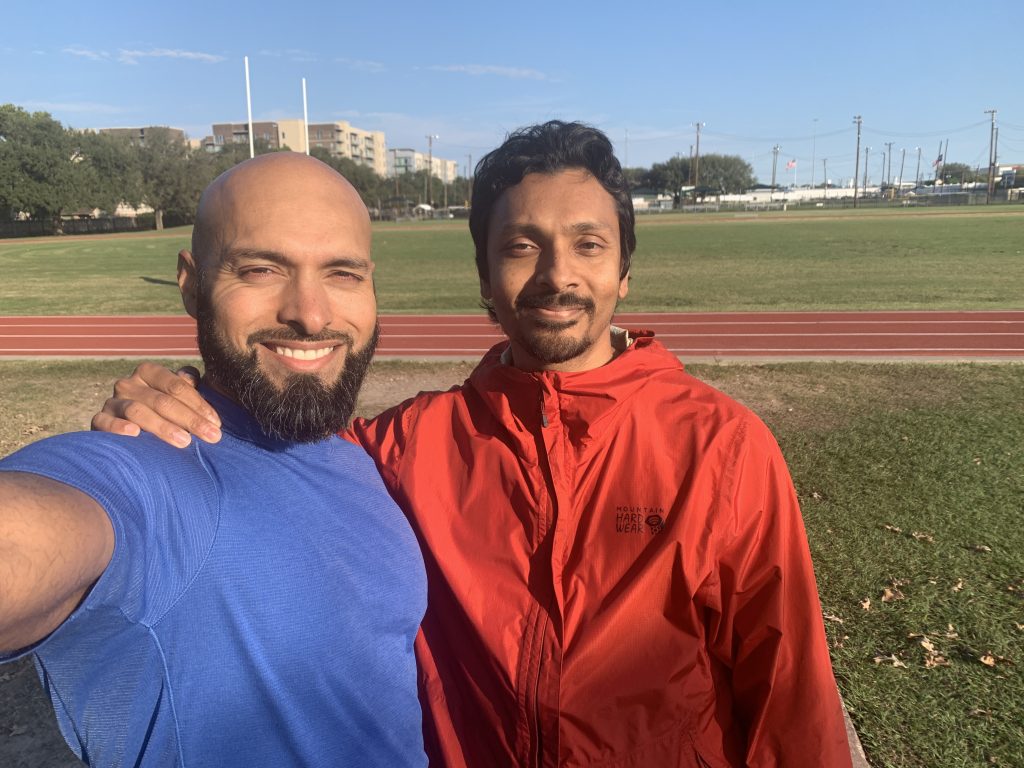
Recently, I was struggling emotionally and reached out to a friend to join me for a workout I had scheduled. My morale was low, and I needed someone to help carry me through it—especially since the workout included eight demanding 200-meter sprints.
After an hour of exhaustion, discomfort, and very real frustration, we finished. More importantly, I was able to talk through what I’d been carrying with someone I trusted.

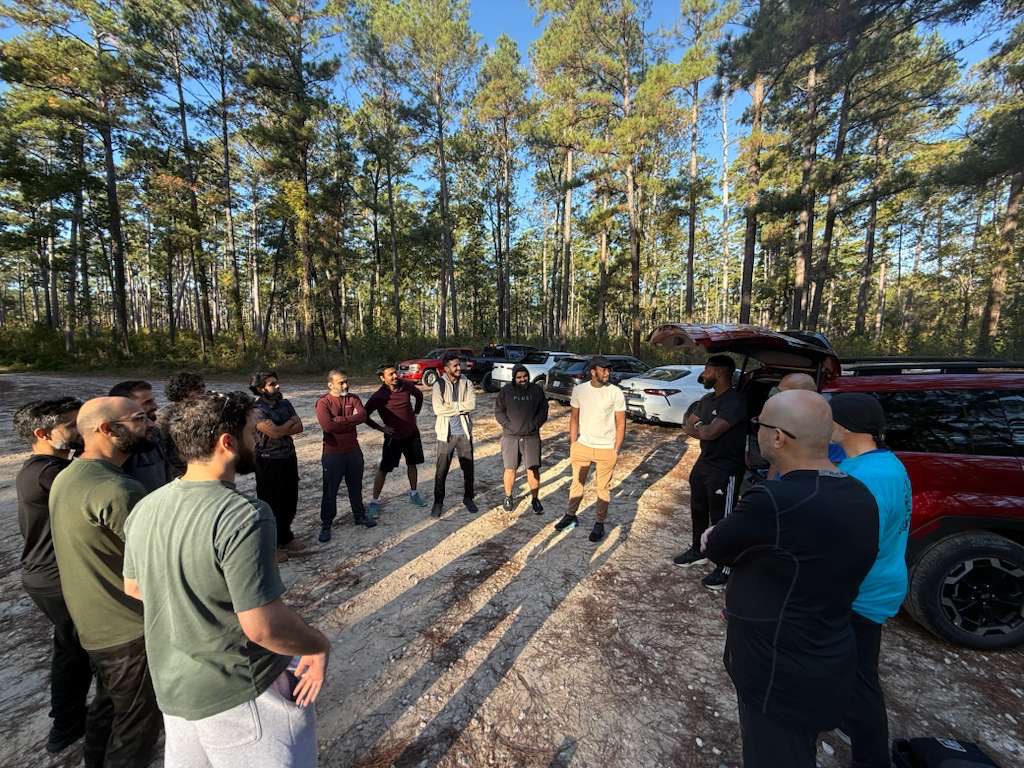
A few weeks earlier, I joined a small group of men for a retreat that involved prayer, hiking, exercise, and honest conversation. It wasn’t a bipolar disorder support group—but every person shared something real.
That sense of shared humanity mattered.
So much of mental illness worsens in isolation. Getting out of the house is hard—I know that firsthand—but every time I did, I was grateful I showed up.
What If Traditional Bipolar Support Groups Aren’t for You?
Not everyone connects with formal support groups, and that’s okay.
What matters is community, not the label.
Movement-based groups played a huge role in my recovery and maintenance:
- A yoga studio
- A gardening club
- Weekly tennis sessions
- A jiu-jitsu gym
Each of these became a form of support—places to release anxious energy, talk openly, and feel connected.
If you’re struggling to find the right bipolar disorder support group, try reconnecting with activities you enjoy—or once enjoyed. You may be surprised how many people around you are quietly managing their own mental health challenges.
How Bipolar Support Groups Help Family Members and Loved Ones
Living with bipolar disorder doesn’t just affect one person. It impacts families, partners, and caregivers in profound ways.
That’s why support groups for family members of people with bipolar disorder are so important. Supporting someone through manic or depressive episodes can be emotionally exhausting and isolating.
These groups allow family members to:
- Speak openly without guilt
- Learn from others in similar roles
- Feel less alone in long-term caregiving
In some cases, therapy can also be helpful—especially when loved ones are processing years of emotional strain.
Why Community Is a Pillar of Bipolar Recovery
An 85-year Harvard study found that strong relationships are the single most important factor in long-term happiness and health.
For me, that confirms what I’ve lived:
Community is real medicine for bipolar disorder recovery.
Support groups can feel awkward at first. Vulnerability is uncomfortable—especially when you’re already struggling. I remember the anxiety before my first meeting very clearly.
But here’s the truth:
- At worst, a support group doesn’t help.
- At best, it becomes one of the strongest pillars in your recovery.
I wish you strength, endurance, and connection on your journey.