

Should You Call the Police During a Mental Health Crisis?
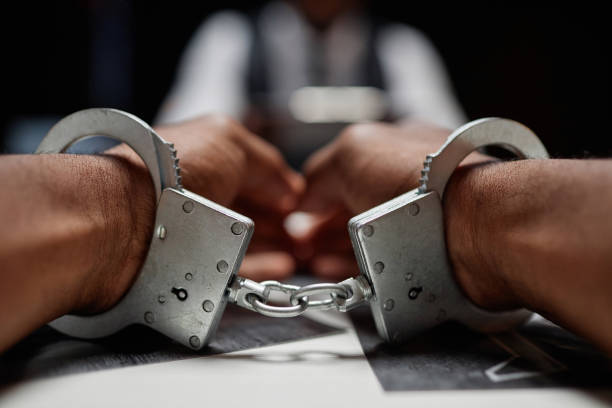
TLDR Version: Be Careful
Should you call the police during a mental health crisis? It’s a question many families eventually face when a loved one experiences severe mania, psychosis, suicidal thoughts, or another mental health emergency.
In my day job, I have the unique opportunity to meet influential people around the city. Last week, I had lunch with a police officer who made some honest remarks about police and mental health crises.
He told me, “Be careful when calling the cops if you’re having a mental health crisis.”
I was intrigued and asked him to explain.
Before diving in, if you or a loved one is in immediate danger of harming themselves or someone else, call 911. If you’re experiencing a mental health crisis but there isn’t an immediate danger, you can also call 988 for crisis support.
As always, you can find out more here in my store.
When Should You Call the Police for a Mental Health Crisis?
The answer depends on the situation.
If someone is threatening to kill themselves, has a weapon, is seriously hurting someone, or poses an immediate danger to themselves or others, call 911.
But not every mental health crisis requires a police response.
For example, someone experiencing psychosis may be saying things that don’t make sense, talking to themselves, or believing things that aren’t true. Someone experiencing mania may be extremely agitated, impulsive, or behaving in ways that are completely out of character.
These situations can be serious without necessarily being an immediate emergency requiring police intervention.
What Happens When Police Respond to a Mental Health Crisis?
The police officer I spoke with explained that officers often arrive with incomplete information. They have to quickly determine what is happening and whether anyone is in danger.
Imagine an officer responding to a call about someone yelling, acting aggressively, or behaving strangely in public.
The officer doesn’t necessarily know that the person is experiencing psychosis.
They may simply see someone behaving unpredictably.
Police officers are trained to de-escalate situations, but they are also trained to protect themselves and the public. Depending on the circumstances, their tools can include verbal commands, backup officers, physical restraint, a Taser, and—in extreme situations—a firearm.
That’s why calling the police during a mental health crisis can carry risks.
Police and Mental Health: Why Communication Matters
If you decide to call 911, don’t simply tell the dispatcher, “My family member is crazy.”
Be specific.
Tell them:
- This is a mental health crisis.
- The person is experiencing mania, psychosis, suicidal thoughts, or another mental health emergency.
- Whether they have threatened themselves or someone else.
- Whether there are weapons present.
- Whether they have been violent.
- Whether drugs or alcohol are involved.
- Anything else that could help officers understand the situation.
The more information officers have before they arrive, the better prepared they are to respond.
Don’t exaggerate the situation—but don’t minimize it either.
Can Police Arrest Someone During a Mental Health Crisis?
Yes.
Calling 911 does not guarantee that your loved one will simply be taken to a hospital.
If the person has committed a crime, damaged property, assaulted someone, or otherwise meets the requirements for arrest, police may arrest them.
This is another reason to understand the difference between a mental health crisis and a mental health emergency.
Someone may desperately need psychiatric help without necessarily being a criminal.
Have a Plan Before the Crisis
If you have a loved one who experiences severe mania, psychosis, or suicidal thoughts, don’t wait until the next crisis to figure out what to do.
Have the conversation while everyone is calm.
Ask:
“If you experience another serious mental health crisis, what would you want me to do?”
Discuss whether they would prefer you to contact 988, a family member, their doctor, a crisis team, or emergency services.
Knowing what to do beforehand can make an overwhelming situation a little less overwhelming.
Here is a contingency plan I’ve written about previously.
Keeping Everyone Safe
Should you call the police during a mental health crisis?
Sometimes, absolutely.
If someone is attempting suicide, has a weapon, is seriously hurting someone, or presents an immediate danger, call 911.
But if there isn’t an immediate threat, consider whether 988 or another mental health crisis resource may be more appropriate.
Police officers can save lives, but they are not mental health professionals. They are responding to a potentially dangerous situation with limited information and the tools available to them.
So if you do call the police during a mental health crisis, give them as much accurate information as possible.
And remember: the person experiencing the crisis isn’t simply “being difficult.”
They may be experiencing one of the most frightening moments of their life.
Our job is to help them get through it safely.