
BP Harmony

Save up to 8% on joining our Community for personalized support & expert guidance.

January 2026

calm your mind when you are sick
Lifestyle and Exercise

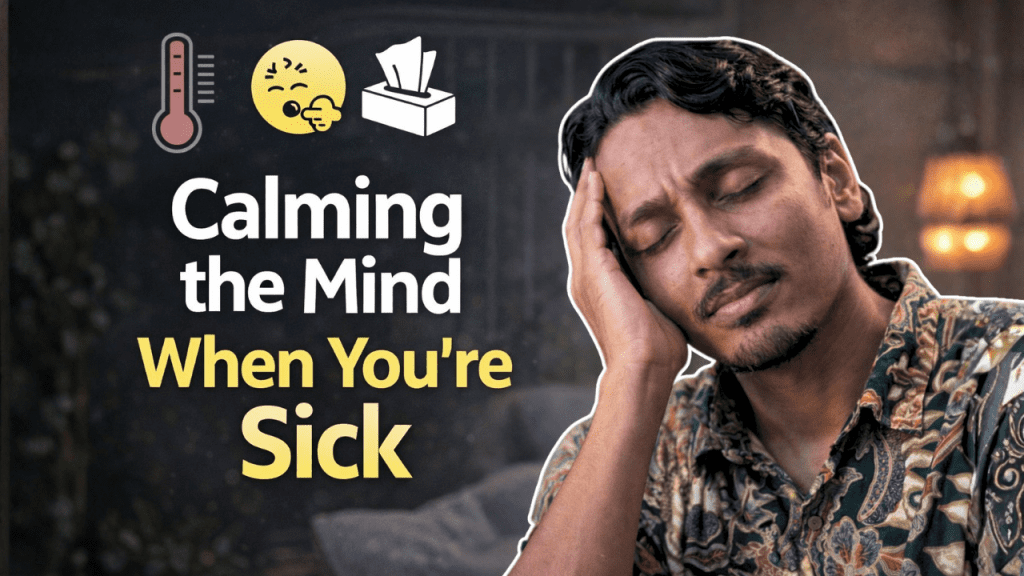
Calming the Mind When You Are Sick: A Mindfulness Practice for Cold, Cough, and Fever

Calming the Mind When You Are Sick: A Mindfulness Practice for Cold, Cough, and Fever Being sick is not only a physical experience. It is also an emotional and mental one. When the body is uncomfortable, the mind often becomes restless, frustrated, and overwhelmed. Simple symptoms such as a cold, cough, or fever can make nights feel long, heavy, and exhausting. Sleep becomes difficult, thoughts become louder, and patience becomes shorter. This mindfulness practice is designed to help you feel emotionally supported while your body is healing. It does not replace medical care, but it offers a gentle way to calm the mind, reduce emotional stress, and create space for rest and recovery. The Emotional Experience of Being Unwell Illness often makes us feel weak, dependent, and out of control. Even mild sickness can affect mood, confidence, and emotional stability. The discomfort of the body can quickly turn into irritation, sadness, fear, or hopeless thinking. It is important to remember that these emotional reactions are natural. The body is under strain, and the nervous system is sensitive. Mindfulness helps us respond to this state with compassion instead of resistance. Separating Identity from Illness One of the most helpful shifts during sickness is learning to separate who you are from what your body is experiencing. You are not your symptoms. You are not your fever, your cough, or your weakness. These are temporary conditions of the body, not definitions of the self. When we say, “My body is sick,” instead of “I am sick,” the mind begins to soften. This language reduces emotional heaviness and prevents the illness from taking over the entire sense of identity. Creating a Safe Space for Healing Rest is the foundation of recovery, but rest is not only physical. The mind must also feel safe. Choose a comfortable position. Dim the lights. Reduce noise and stimulation. Allow the body to be supported. These small adjustments tell the nervous system that it is safe to relax. Using Breath to Calm the Nervous System Slow and conscious breathing helps the body move out of a stress response and into a healing state. When the breath becomes steady, the heart rate slows, muscle tension reduces, and the mind becomes clearer. Take slow, gentle breaths. Allow the belly to rise and fall. Do not force the breath. Let it be soft and natural. Bringing Kind Awareness to the Body As you rest, gently notice the areas of discomfort. There is no need to analyze or fix them. Simply acknowledge their presence. Imagine offering comfort to these areas, just as you would comfort a child who is unwell. Attention itself is soothing. The body often relaxes when it feels noticed and cared for. Working with Difficult Thoughts During Illness Sickness often brings discouraging thoughts. Worries about recovery, frustration with weakness, and impatience with the body are common. When these thoughts arise, gently remind yourself that this is a temporary phase. The body is doing its best to heal. There is no need to fight the experience. Softening the mind supports the body. Allowing Emotions Without Judgment Emotions may surface while you are unwell. You may feel sad, irritable, anxious, or helpless. These emotions do not need to be pushed away. Allow them to exist without labeling them as wrong. Emotions, like symptoms, pass in their own time when they are met with understanding. Supporting Rest and Sleep When You Are Sick Sleep may come in short or broken periods. That is okay. Even moments of quiet rest are beneficial. Lying down, closing the eyes, and breathing calmly supports the healing process. Let go of the pressure to sleep perfectly. Focus instead on resting deeply. The Healing Power of Self-Compassion Being kind to yourself during illness is one of the most important aspects of recovery. Speak to yourself gently. Lower expectations. Allow the body the time it needs. Self-compassion reduces emotional stress, which in turn supports physical healing. Returning to Health With Patience Recovery is not a race. Each body heals at its own pace. Trust the process. Continue to rest, hydrate, follow medical advice, and support your mind with calm awareness. Final Thoughts on Healing the Mind While the Body Recovers Illness reminds us of our vulnerability, but it also offers an opportunity to practice care, patience, and presence. When the mind is calm, the body is better able to heal. May you find comfort, rest, and gentle healing during this time.


Person resting peacefully in bed at night in a calm dark green and white setting, representing sleep meditation and relaxation
Lifestyle and Exercise

Sleep Meditation Mindfulness Practice for Calming Racing Thoughts and Deep Rest

Sleep Meditation Mindfulness Practice for Calming Racing Thoughts and Deep Rest Many people struggle to fall asleep, not because the body is tired, but because the mind remains highly active at night. During the day, the mind is occupied with tasks, conversations, decisions, and emotional experiences, but when the external noise fades, internal dialogue becomes louder. Thoughts replay events, imagine future outcomes, and revisit unresolved emotions. This continuous mental activity often leads to anxiety, impulsive thinking, physical tension, and insomnia. Over time, poor sleep affects concentration, emotional stability, immune function, and overall well-being. A sleep meditation mindfulness practice helps shift the nervous system from a state of alertness into a state of rest. Through conscious breathing and gentle self-reflection, the mind gradually slows down, emotional charge softens, and the body is allowed to naturally enter restorative sleep. Understanding Nighttime Mental Restlessness At the end of the day, the brain attempts to process information and experiences that were not fully integrated earlier. This natural processing can become overwhelming when the day has been emotionally intense, mentally demanding, or stressful. The mind begins to analyze, judge, and problem-solve at a time when the body is preparing for rest. This mismatch between mental activity and physical fatigue creates internal conflict. Nighttime mental restlessness is not a lack of discipline or control. It is a biological and emotional response to stimulation, pressure, and unresolved thoughts. Mindfulness provides a gentle structure that teaches the mind how to settle instead of struggle, offering a pathway toward calm rather than suppression. The Purpose of Self-Accounting in Mindfulness Self-accounting is a reflective practice that helps create emotional closure before sleep. It originates from contemplative traditions that emphasise awareness, responsibility, and compassion. Instead of replaying the day with criticism or regret, the practice encourages a balanced review using only two qualities: gratitude and forgiveness. Gratitude trains the mind to recognise what went well, what was supportive, and what was meaningful, even in small ways. Forgiveness allows the release of mistakes, conflicts, disappointments, and unmet expectations, both toward oneself and toward others. This process prevents emotional residue from being carried into the subconscious during sleep and reduces the accumulation of mental burden over time. Preparing the Body for Sleep Meditation Creating a supportive physical environment signals safety to the nervous system and increases the effectiveness of the practice. The body responds strongly to external conditions such as light, temperature, and posture, and these factors influence the ability to relax. Creating a Sleep Supportive Space Lie down in a position that feels natural and effortless. The room should be quiet, dimly lit, and slightly cool, ideally between 68 and 70 degrees Fahrenheit. Remove sources of distraction such as bright screens or loud sounds. Support the neck and spine so that muscles can release tension. Close your eyes gently and allow your body to sink into the surface beneath you, recognising that this is a time for rest and restoration. Using the Double Inhale Breathing Technique Breathing directly influences the autonomic nervous system, which controls the body’s stress and relaxation responses. Slow and intentional breathing reduces heart rate, lowers blood pressure, and signals safety to the brain. How to Practice Double Inhale Breathing Take a deep inhale through the nose, filling the lungs comfortably. Immediately take a second short inhale on top of it to expand the breath fully. Hold your breath for seven seconds without strain. Then slowly exhale through the mouth or nose, allowing the body to soften. As you inhale, feel the belly rise gently. As you exhale, feel the belly fall. Repeat this breathing cycle at least five times or for as long as it feels soothing. This technique reduces physiological arousal and prepares the mind for reflection and emotional release. Practising Nighttime Self-Reflection Once the breath is calm, begin the process of self-accounting. This is done slowly, with kindness and patience, without forcing memories or analysis. Recalling the Day With Awareness Gently return your attention to the moment you woke up. Then move through the day in chronological order. Notice physical sensations, movements, environments, interactions, and emotional responses. Observe how your body felt in different moments and how your mind reacted to situations. This mindful recollection strengthens awareness and integrates the day’s experiences. Limiting Judgment to Gratitude and Forgiveness Whenever the mind begins to judge, criticise, or analyse, gently redirect it. Offer gratitude for efforts made, support received, and moments of ease. Offer forgiveness for mistakes, misunderstandings, and emotional reactions. This practice reduces self-criticism, dissolves resentment, and promotes emotional balance. It trains the mind to close the day with acceptance rather than tension. Managing Distraction and Racing Thoughts Distraction is natural during mindfulness. Thoughts will arise, wander, and interrupt the practice. The key is not to eliminate thinking but to notice it without attachment. Each time attention drifts, gently return to the breath or the review of the day. There is no need for force or frustration. This repeated returning strengthens concentration, patience, and emotional regulation, gradually reducing the intensity of reminders and worries at night. Why This Practice Supports Better Sleep This meditation often leads to falling asleep before the full review is completed because the nervous system becomes deeply relaxed. The combination of controlled breathing, emotional processing, and structured attention reduces cortisol levels and mental stimulation. Benefits include reduced nighttime anxiety, improved emotional regulation, increased self-compassion, clearer memory integration, deeper sleep cycles, and more consistent rest over time. If You Reach the End of the Day If you complete the full recollection and remain awake, simply begin again from the morning with more detail. Repetition deepens relaxation and awareness and further quiets the mind. Making Sleep Meditation a Nightly Habit Practised regularly, this mindfulness technique conditions the mind and body to associate bedtime with calm rather than stress. Over weeks, sleep latency decreases, emotional stability improves, and the quality of rest becomes more reliable. Consistency is more important than duration. Final Thoughts on Rest and Awareness Rest is not only physical but also emotional

Person sitting peacefully in nature with eyes closed and hands on chest, symbolizing mindfulness and listening to the body
Lifestyle and Exercise

Listen to Your Body: A Deep Mindfulness Practice for Emotional Healing, Awareness, and Balance

Listen to Your Body: A Deep Mindfulness Practice for Emotional Healing, Awareness, and Balance The body is constantly communicating with us, yet many people move through life without listening to what it is trying to say. In a world that values constant activity and productivity, physical sensations and emotional signals are often ignored until they become impossible to overlook. Tension, pain, emotional heaviness, anxiety, and exhaustion are not random experiences. They are meaningful signs asking for attention. Listening to the body is a powerful mindfulness practice. It allows us to reconnect with ourselves, understand emotional imbalance, and return to a state of inner balance. Instead of viewing discomfort as something that must be fought or avoided, this practice invites us to see it as guidance. Understanding the Body’s Role in Mental and Emotional Health Mental and emotional experiences are not limited to the mind alone. They are felt throughout the body. When emotions are overwhelming or unresolved, the body often expresses them physically. This may appear as tightness in the chest, discomfort in the stomach, pain in the back, or a general feeling of heaviness or fatigue. Emotional imbalance and mental distress can be understood not as personal failure but as the body’s attempt to protect us. When stress and internal chaos become too intense, the body slows us down. This slowing down is the body’s way of signaling that something needs attention and care. Why Listening to the Body Is Essential for Healing Ignoring the body does not make discomfort disappear. In many cases, it causes the signals to grow stronger. When emotions are repeatedly overlooked, the body communicates more loudly through physical sensations. Listening to the body helps develop awareness and compassion. It allows us to respond instead of react. Over time, this practice can reduce emotional overwhelm, calm the nervous system, and strengthen the connection between the mind and the body. Listening also teaches us an important truth. We are not our symptoms. We are the awareness noticing them. Preparing the Mind and Body for the Practice Before beginning, it is helpful to create a supportive environment that encourages relaxation and presence. Creating a Safe and Comfortable Space Find a comfortable seated or lying position. If possible, turn off the lights and reduce distractions. Closing the eyes gently can help the body feel safe and supported. This signals that it is time to slow down and listen. Setting an Intention to Listen Before focusing inward, set a simple intention to listen without judgment. There is nothing to fix or change. The purpose is to observe and acknowledge whatever arises with patience and care. Using Breathwork to Calm the Nervous System Breathing plays a central role in connecting the mind and the body. Slow and intentional breathing helps regulate the nervous system and prepares the body for awareness. Practising Box Breathing Box breathing is a simple technique that supports calm and focus. Inhale slowly for three counts.Hold the breath for three counts.Exhale slowly for three counts.Hold again for three counts. Repeat this breathing pattern at your own pace. Continue for several rounds, allowing the breath to become deeper and more natural. You may continue for as long as it feels comfortable. Turning Attention Toward the Body Once the breath has settled, gently shift attention toward physical sensations. Locating Areas of Physical Discomfort Notice if there is a part of your body that feels uncomfortable or tense. This may be the head, chest, stomach, back, shoulders, or any other area. There is no correct place to focus. This sensation may have been seeking attention for some time, much like a child asking to be noticed. Observing Sensations Without Judgment Instead of trying to change or fix the sensation, simply observe it. Stay present with it and continue breathing steadily. Many people notice that calm begins to arise naturally when the body feels acknowledged. Exploring the Emotional Dimension of Physical Sensations Physical discomfort often carries emotional information. Identifying Emotions Associated With the Body As you stay with the sensation, notice if an emotion appears. This may be sadness, fear, anger, or another feeling. There is no need to analyze or label it as good or bad. Simply acknowledge its presence while continuing to breathe. Creating Distance Through Mindful Language Mindfulness helps us avoid becoming overly identified with discomfort. Using Part Speech to Reduce Identification Instead of saying, “I am in pain,” try saying, “A part of my body is experiencing discomfort.”You may also say, “This body is feeling temporary discomfort.” This shift in language creates distance and reminds us that sensations are temporary experiences rather than our identity. Gently Asking the Question Why Once awareness is established, gently ask yourself why this body is feeling this way. Allowing Answers to Arise Naturally Answers may not come immediately. Sometimes there is no clear explanation, and that is okay. Sitting with the question itself builds patience and self-awareness. Using the Five Whys Method Without Overthinking If an answer does arise, ask why again. Continue this process up to five times while maintaining slow and steady breathing. Stop after five questions to prevent mental overload. This gentle inquiry can reveal deeper emotional layers, such as fear of failure or unexpressed needs. Allowing Emotions to Move Through the Body Emotions are temporary experiences. When allowed to exist without resistance, they move through the body naturally. Suppressing emotions often prolongs discomfort, while attention allows release. Just as a child calms once it feels comforted, the body relaxes when it feels heard. Completing the Mindfulness Practice When you feel ready, gently open your eyes. Wiggle your fingers and toes and bring awareness back to your surroundings. Take a moment to notice how you feel compared to when you began. Reflecting on the Experience Reflection helps integrate awareness into everyday life. Journaling and Sharing Insights Consider writing down any thoughts, emotions, or realisations that arose during the practice. You may also choose to share your experience with someone you trust. Reflection strengthens understanding and emotional clarity.

Gradual tapering of psychiatric medication illustrated with a pill bottle and reducing dosage over time
Mental Health and Spirituality

Medication Tapering 101: A Complete Guide to Safely Reducing Psychiatric Drugs

Medication Tapering 101: A Complete Guide to Safely Reducing Psychiatric Drugs Psychiatric medications play an important role in treating mental health conditions such as depression, anxiety, bipolar disorder, insomnia, and psychosis. For many people, these medications provide stability during extremely difficult periods of life. However, an important question often goes unanswered. What happens when it is time to stop? For many patients, coming off psychiatric medication feels more frightening and more challenging than starting it. This is why understanding medication tapering is essential. This guide explains what tapering means, why stopping medication suddenly can be harmful, and how psychiatric drugs can be reduced safely under proper medical supervision. What Is Medication Tapering Medication tapering is the process of gradually lowering a drug’s dosage over time instead of stopping it abruptly. When someone takes psychiatric medication for months or years, the brain adapts to its presence. Neurotransmitters such as serotonin, dopamine, and GABA begin functioning differently because of the medication. The nervous system adjusts its balance around the drug. If the medication is removed too quickly, the brain struggles to compensate. This can lead to significant physical and emotional distress. Tapering allows the nervous system to slowly readjust and regain stability. This reduces withdrawal symptoms and lowers the risk of relapse. A helpful way to understand tapering is to imagine slowing down a moving vehicle. A sudden stop causes damage, while gradual deceleration allows for a safe and controlled stop. Why Stopping Psychiatric Medication Suddenly Is Dangerous Stopping medication abruptly can trigger serious withdrawal symptoms. These reactions are not imagined or exaggerated. They are the body’s response to sudden chemical changes in the brain. Common symptoms include anxiety, panic attacks, insomnia, restlessness, heart palpitations, dizziness, nausea, emotional numbness, depression, mania, or psychosis. In severe cases, suicidal thoughts can occur. Certain medications such as benzodiazepines and antipsychotics, can cause especially dangerous withdrawal effects if stopped suddenly. This is why tapering should always be done with medical supervision. Psychiatric Medications That Require Careful Tapering Antidepressants Antidepressants are commonly prescribed for depression, anxiety, PTSD, OCD, and sleep disorders. These medications affect serotonin and dopamine systems in the brain. Sudden withdrawal can lead to mood instability, anxiety, and sensory disturbances. Benzodiazepines Benzodiazepines are used for anxiety and insomnia. They are habit-forming and require very slow tapering. Improper withdrawal can cause severe anxiety, panic attacks, and seizures. Mood Stabilizers Mood stabilizers such as lithium, lamotrigine, and valproate are often prescribed for bipolar disorder. These medications require careful dose reduction to prevent relapse into depression or mania. Antipsychotics Antipsychotic medications such as risperidone, quetiapine, and olanzapine are used for bipolar disorder, schizophrenia, and severe depression. These drugs must be tapered slowly to avoid withdrawal symptoms and symptom rebound. What Withdrawal Actually Feels Like Withdrawal is a physical response of the nervous system. It isnot a personal failure or a lack of willpower. People may experience anxiety, agitation, restlessness, racing thoughts, sensitivity to light and sound, digestive discomfort, and emotional instability. These symptoms do not mean the medication is required forever. They indicate that the brain needs time to adapt after long-term chemical support. Understanding this process helps reduce fear and self-blame during tapering. How a Safe Tapering Process Works There is no single tapering schedule that works for everyone. Each person’s nervous system responds differently depending on the medication, dosage, duration of use, and overall health. A safe taper generally involves small dose reductions over weeks or months with careful monitoring. For example, a person taking 2 mg of risperidone may reduce gradually to 1.5 mg, then to 1 mg, then to 0.5 mg. Later stages may involve alternate day dosing and gradually increasing the gap between doses. The final reductions are often the most challenging. Some individuals take several months to reduce very small doses because the nervous system becomes more sensitive at lower levels. If withdrawal symptoms become intense, doctors may pause the taper or temporarily return to a higher dose before continuing. Tapering is rarely linear. It requires flexibility, patience, and close observation. Lifestyle Support During Medication Tapering Medication reduction is most successful when supported by healthy daily habits. Sleep Quality sleep is essential for brain recovery. Poor sleep increases emotional instability and relapse risk. Nutrition A balanced diet with adequate protein, minerals, and healthy fats supports neurotransmitter repair and nervous system function. Movement Gentle physical activity such as walking, stretching, or yoga helps regulate stress hormones and calm the nervous system. Mindfulness Practices such as breathing exercises, meditation, and grounding techniques help manage anxiety during tapering. Community Support Family support, therapy, and trusted social connections reduce isolation and provide emotional stability during difficult periods. How Long Does Tapering Take There is no universal timeline for tapering psychiatric medication. Some people reduce medication over several months while others require years. Many doctors prefer to see one to one and a half years of emotional stability before fully discontinuing medication. Rushing the process often leads to relapse or prolonged withdrawal symptoms. The goal is long term stability, not speed. Why Medical Supervision Is Essential Medication tapering should always be guided by a qualified healthcare professional. Doctors and psychiatrists monitor symptoms, adjust dosages, and intervene if complications arise. Attempting to taper without professional support increases medical and psychological risks. Final Thoughts Psychiatric medications help many people survive some of the most difficult periods of their lives. For some, healing eventually includes reducing or stopping medication in a safe and thoughtful way. Tapering requires patience, self compassion, and guidance. It is not a sign of weakness. It is a careful step toward balance and long term wellbeing. With the right support, many people successfully taper medication and regain clarity, energy, and emotional connection to life.

Integrative medicine and magnesium for mental health and sleep
Uncategorized

Integrative Medicine 101: How Magnesium Impacts Mental Health, Sleep, and Bipolar Disorder

Integrative Medicine 101: How Magnesium Impacts Mental Health, Sleep, and Bipolar Disorder Mental health care is changing. For many years, treatment focused almost entirely on medications and symptom control. While medications are often essential and lifesaving, many people continue to struggle with anxiety, poor sleep, mood instability, and lingering depression even when they follow conventional treatment plans closely. This growing gap has led to increased interest in integrative medicine, an evidence-based approach that looks beyond symptoms alone. It considers nutrition, lifestyle, sleep, stress, and targeted supplementation as part of comprehensive care. One nutrient that continues to gain attention in this field is magnesium. In this article, we explore integrative medicine through a mental health lens and explain why magnesium plays an important role in mood regulation, sleep quality, anxiety, and bipolar disorder. What Is Integrative Medicine? Integrative medicine combines conventional medical care with scientifically supported complementary approaches. It is not alternative medicine, and it is not anti-medication. Instead, it brings together: Clinicians trained in integrative medicine often spend more time with patients. They look at factors that are frequently overlooked, including sleep habits, chronic stress, trauma history, nutrient deficiencies, gut health, and daily routines. This approach is especially valuable in mental health care, where symptoms are deeply connected to both biology and environment. Why Conventional Psychiatry Often Misses Underlying Contributors Many patients feel frustrated with standard psychiatric care. Appointments are often brief, treatment options can feel limited, and discussions about nutrition or lifestyle are rare. This does not mean conventional psychiatry is ineffective. Medications remain critical for many people. However, mental health conditions are complex, and biology is influenced by far more than neurotransmitters alone. Integrative psychiatry aims to address this complexity by identifying contributing factors that may worsen or prolong symptoms, including nutrient depletion and disrupted sleep patterns. The Overlooked Role of Magnesium in Mental Health Magnesium is one of the most important minerals in the human body. It supports hundreds of biochemical reactions and plays a central role in nervous system function. Despite its importance, research suggests that a large portion of the population does not consume enough magnesium. Chronic stress, poor diet quality, gastrointestinal issues, and certain medications all increase the risk of deficiency. Low magnesium levels have been associated with symptoms such as anxiety, irritability, sleep disturbances, low mood, and emotional instability. Magnesium and Depression Magnesium supports mental health in several important ways. One of its key roles involves serotonin, a neurotransmitter associated with mood regulation and emotional well-being. It also supports brain-derived neurotrophic factor (BDNF). BDNF helps the brain form new connections and repair existing ones. Lower levels of BDNF have been linked to depression, anxiety, and cognitive decline. When magnesium levels are low, these processes may be impaired, which can contribute to persistent depressive symptoms, especially in individuals who do not respond fully to medication alone. Magnesium, Anxiety, and the Stress Response Stress has a direct effect on magnesium levels. When the body is under chronic stress, it releases cortisol and adrenaline. These hormones increase magnesium excretion through urine. This creates a cycle that is difficult to break. Stress depletes magnesium, and low magnesium makes the nervous system more reactive to stress. Magnesium helps regulate GABA, the brain’s primary calming neurotransmitter. Adequate levels support relaxation, reduce excessive neural firing, and help stabilize the stress response. Magnesium and Sleep Quality Sleep disruption is one of the strongest predictors of mood episodes, particularly in bipolar disorder. Magnesium supports sleep through multiple pathways. It helps relax muscles and the nervous system, supports melatonin production, and reduces nighttime cortisol spikes. Rather than forcing sedation, magnesium promotes more natural sleep onset and deeper sleep cycles. By supporting circadian rhythm regulation, magnesium can play a meaningful role in long-term mood stability. Why Standard Magnesium Blood Tests Can Be Misleading Many people assume that a normal blood test rules out magnesium deficiency. In reality, this is often not the case. Only a very small percentage of magnesium is found in the bloodstream. The body tightly regulates blood levels even when overall magnesium stores are low. As a result, many individuals with deficiency still receive normal lab results. This is why integrative clinicians often evaluate symptoms, lifestyle factors, and dietary intake alongside laboratory data. Is Dietary Magnesium Enough? Magnesium is found in foods such as leafy greens, seeds, nuts, and legumes. However, modern farming practices, soil depletion, and chronic stress make it difficult for many people to meet their needs through diet alone. For individuals with anxiety, sleep disturbances, or mood disorders, supplementation is often considered as part of a broader treatment plan. Choosing the Right Form of Magnesium Not all magnesium supplements are the same. Timing also matters. Many people benefit from taking magnesium in the evening, about 30 minutes before bedtime. It is important to consult a healthcare provider before starting supplementation, especially if you are taking psychiatric or cardiovascular medications. Integrative Psychiatry and Whole-Person Care Integrative psychiatry does not replace conventional treatment. Instead, it strengthens outcomes by addressing factors that influence mental health at a deeper level. This includes nutrition, sleep quality, stress physiology, gut health, targeted supplementation, and lifestyle habits. When combined with appropriate medical care, this approach helps patients feel more informed and more involved in their healing process. For those interested in learning more about this model of care, education, and evidence-based resources, visit Back to Health Integrative Medicine. Final Thoughts Mental health is not one-dimensional. Sleep, nutrition, stress, and biochemistry all interact in ways that shape emotional well-being. Integrative medicine offers a framework that respects the value of conventional care while expanding the conversation. Magnesium is not a cure-all, but for many people, it is a missing piece that deserves attention.

Scroll to Top